
Your pain is real,
but pain does not always equal tissue damage.
Pain is produced by the nervous system, not just by injured tissues. In persistent pelvic pain, the nervous system can become more sensitive, causing pain signals to be amplified.
Past experiences of pain, stress, trauma, and fear can all influence how strongly pain is felt, even when scans, tests, or examinations do not show an obvious cause. This does not mean that the pain is “all in your head” or that nothing is wrong. It means that the nervous system is playing an important role in maintaining the pain experience.
Understanding this can help reduce fear, build confidence, and provide a foundation for recovery, supporting a gradual return to normal activities and improved quality of life.
Are you the Coper,
the Misunderstood,
the Self-Advocate
or the one Trying-to-Conceive?
Here's How Endometriosis Symptoms Can Show Up
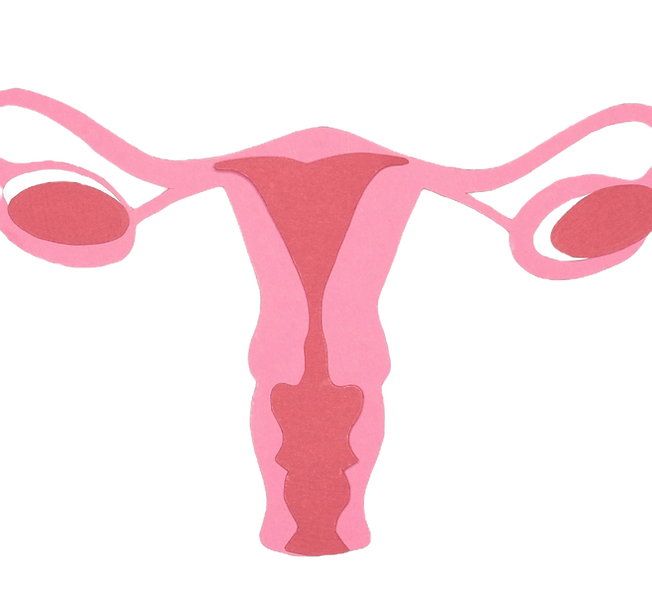
Lower Abdominal & Pelvic Pain
-
Abdominal cramping before or during your period
-
Pain similar to period pain but more intense and persistent
-
Pain that is not eased with heat pack, TENS, or rest
-
Cramping around your low back and down into your hips and bottom
-
Pain similar to an endometriosis flare up
Pelvic Floor Muscle Dysfunction
-
Involuntary contraction of your pelvic floor muscle
-
Intermittent spasm of your pelvic floor muscle when inserting tampon
-
Hard to relax your pelvic floor muscle
-
Unable to maintain a pelvic floor muscle contraction
Bladder/Bowel Pain
-
Pain when peeing
-
Increased pain or awareness with a full bladder or bowel
-
Pain when doing a poo
-
Constant awareness of the bladder/abdominal area even after peeing or doing a poo
Period/Menstrual Pain
-
Increased perineal (pelvic area) sensitivity)
-
Awareness of pelvic floor or vagina tingling, stinging, pins and needles
-
Constant awareness of your pelvic area or abdominals.
Pubic Bone/Pelvic Girdle Pain
-
Acute pain at the meeting point of your pelvis (pubic bone) during pregnancy
-
Pain in the pubic bone which is exacerbated when standing on one leg (getting dressed)
This delay is often related to limited awareness of endometriosis and the wide range of symptoms, which can include pelvic pain, painful periods, pain with sex, bladder or bowel symptoms, and fatigue.
Pelvic floor physiotherapy plays an important role in endometriosis care, providing individualised treatment to help manage pelvic pain, reduce muscle tension, improve bladder, bowel and sexual function, and support overall quality of life. Pelvic health physiotherapists also work alongside medical providers to support the broader endometriosis care pathway (Signorile et al., 2022).
The trouble with Endometriosis is that many women experience delays of 8 to 12 years between the onset of endometriosis symptoms and receiving a confirmed diagnosis.